 Nutritics
What ‘enough’ looks like on a plate
Frankie Douglas, Nutritics Director of Scientific & Regulatory Affairs
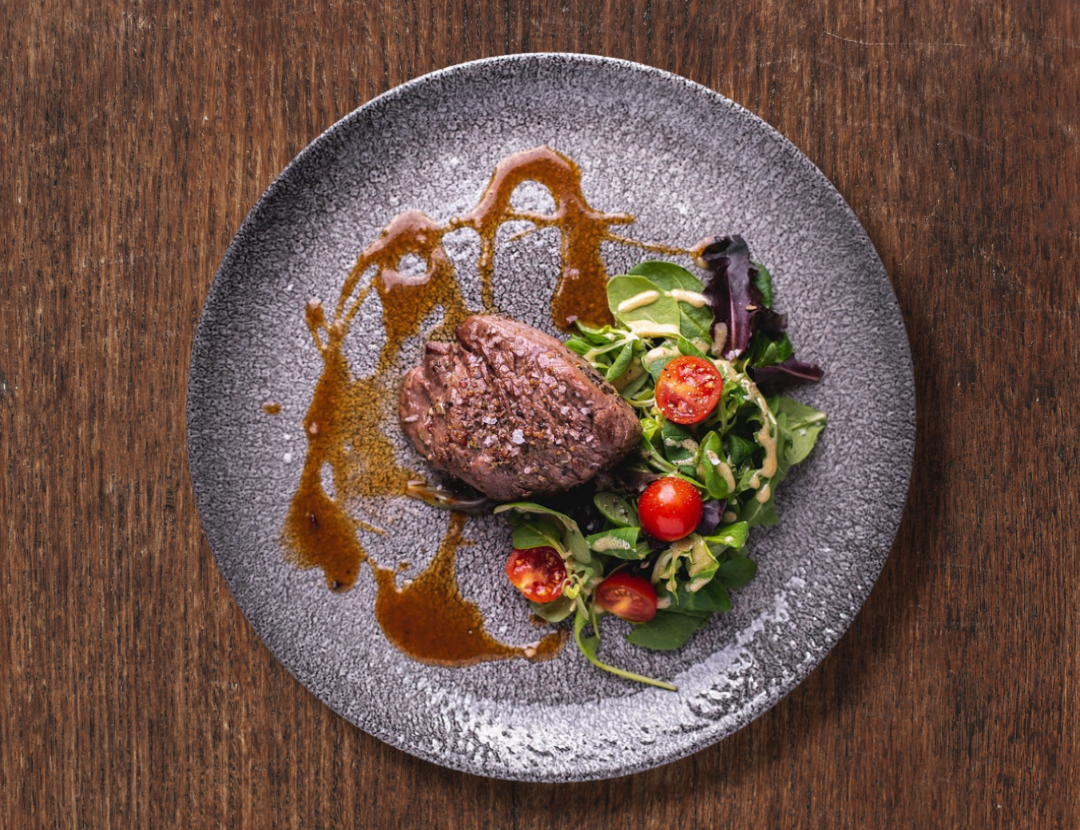
In an era where rising costs, sustainability concerns and shifting consumer expectations collide, the hospitality industry faces the growing issue, how to balance portion sizes with perceived value. We’re now seeing people scrutinising not just how much food is on their plate but its nutritional contents. These evolving consumer demands are putting pressure on operators to adapt to maintain guest satisfaction, whilst balancing food costs and waste management.
As a public health nutritionist, portion control plays a huge part in my advocacy for better eating, and now it is gaining traction for the right reasons, including its operational and economic value and potential to become a key driver of commercial success in hospitality.
Why we are seeing this shift is multi-faceted. There are a number of factors driving a change in what consumers value and we expect it to continue evolving further.
Consumer preferences are diversifying
For some time, bigger portion sizes were synonymous with better value. In fact, a quarter of adult energy intake is consumed outside the home and portion sizes tend to be larger than meals prepared at home.
However, catering for health conscious consumers has fast become front of mind during menu creation. With lifestyle choices evolving, whether it be calorie conscious diners or those seeking nutritionally rich foods, a huge plate of low-nutrient food is no longer a win in the eyes of the savvy diner. Instead, we are seeing more people drawn to dishes that offer nutrient dense, high quality ingredients.
What is a fairly new phenomenon, however, is the changes impacted by weight loss medication. Fuelled by a new generation of wellness, the surge in weight-loss medications has impacted dining behaviours in the US. From smaller orders to less alcohol being sold (IFMA). This is a trend that we may see reflected here in the UK sooner than we think, with Semaglutide (Wegovy) now available on the NHS as an option for weight management and an estimated 1.5 million general medicated weight-loss treatment users in the UK.
Although these changes in behaviour create challenges for operators, they can play positively into the requirement to reduce food waste. Smarter portion control based on real consumption data can help to reduce waste, improve kitchen efficiency and diner satisfaction. According to WRAP, 1 million tonnes of food are wasted annually in UK hospitality. Reducing portion size without compromising satisfaction is one of the simplest, most effective ways to cut waste and costs.
Perceived value
What is clear is that people’s mindsets are shifting, and operators who are quick off the mark will respond well to the turning tide. Speaking to industry experts such as Annica Wainwright, food brand strategist, we know that today’s diners want food that makes them feel good nutritionally, socially and ethically; that’s the real value proposition now.
Operators including Daisy Green and Comptoir Libanais are great examples of venues offering curated portions with high-quality ingredients, leaning into flavour, freshness and nutritional value. For these brands, value also lies in the guest experience through creating spaces that have become local destinations and offering menus built on quality, locally sourced ingredients.
So, what should operators do?
This shift presents both a challenge and an opportunity for operators where remaining agile could help them stay ahead of the curve.
1. Optimise menus for portion flexibility – offer dishes in two sizes or enable sharing formats. This empowers guests to select from the menu based on appetite and dietary needs, while reducing food waste.
2. Nutritional upsell – dishes with greater nutritional density, such as smaller plates, can be positioned as ‘premium’. Flag key nutrients or benefits clearly on the menu, e.g., “high in protein” or “source of fibre”, making sure to respect conditions for making claims on food.
3. Mine your data – take time to assess customer feedback to understand what diners finish, share or send back. If certain dishes are consistently under-consumed or if lighter menu options sell better at lunchtime for example, operators can then reflect that with simple tweaks.
4. Communicate the story – train front-of-house staff to ‘frame’ and explain why dishes are a certain size, emphasising quality, freshness and sustainability. Diners want to feel they’re gaining, not losing, when presented with a leaner plate.
The bottom line
The hospitality industry has long mastered the art of indulgence, but in a world increasingly driven by health and environmental consciousness, choice, quality, provenance and portion control are becoming just as important as taste and ambience. By offering diners flexibility and transparency, operators can stay ahead of a rapidly changing market and build brand trust in the process.
Sources: