 Claire Chalmers
The Menu Engineering Masterclass brought together industry heavyweights Annica Wainwright, co-founder, 2Forks and ‘Menu Geek’, Laura Mimoun, CMO, Fulham Shore and James Mobbs, Fractional CMO, East Coast Concepts & The Alchemist. When you get experts of this calibre in one room, the conversation moves fast. The discussion goes straight to the heart of modern hospitality challenges. From managing operational strain to negotiating with suppliers and navigating the complexities of pricing perception, the insights are invaluable.
To ensure you have the full picture, we have compiled the definitive answers to the most pressing questions raised by operators.
Here is what the experts had to say.
Menu Engineering Masterclass Q&A
- “In terms of delivering for the bottom line… where or what are the biggest immediate wins for operators needing to build more margin into their menu?”
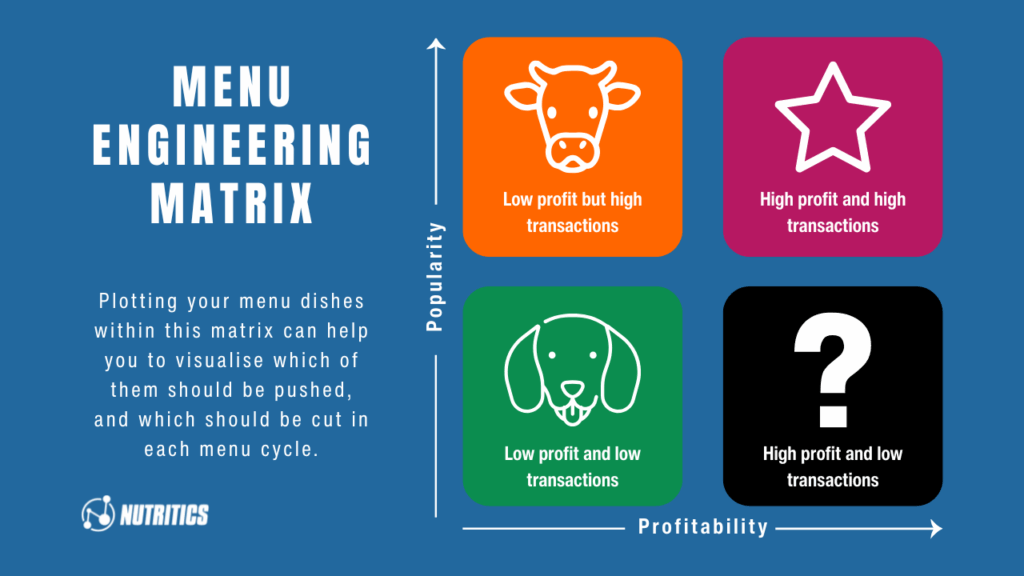
Annica Wainwright: Use the “Menu Matrix” to focus on cash profit per dish rather than just percentage margin. Look at your “Workhorses” (high volume dishes) and negotiate with suppliers on those specific ingredients.
James Mobbs: Focus on “reframing” pricing. Instead of raising a dish from £15 to £17, keep it at £15 and add a high-margin “add-on” or side to bridge the gap.
- “How does the kitchen talent and capabilities impact your menu selection?”
Laura Mimoun: Menu development must start with the team. You cannot design a menu that the team cannot execute consistently. The Real Greek removed 30% of dishes because they were too complex for the teams to deliver.
James Mobbs: You must account for different shifts. A menu has to be executable by a smaller, less experienced team on a quiet Tuesday just as well as by a full brigade on a Saturday night.
- “How do you balance what the data says will sell with what the kitchen can consistently execute without increasing operational strain?”
Laura Mimoun: Even if a dish is a “seller,” if it causes operational strain or inconsistency, it should be removed.
- “How important is it to engage with your food suppliers during menu development?”
Annica Wainwright|: Operators should look at high-volume items and ask, “Can I work with my suppliers here?” to improve pricing.
Laura Mimoun: Work with suppliers to upgrade ingredient quality (oregano, feta) to improve customer sentiment.
“How often do you change non-selling menu items?”
- James Mobbs answered that a quarterly review is best for changing items.
Laura Mimoun: You should not change items just for the sake of innovation. Only change them if they are “dogs” (low profit/low sales) or operationally complex.
- “In terms of margin and profit this is obviously not isolated from the drinks menu, how have you navigated that most often plant-based eaters are less likely to drink alcohol which can impact margins too?”
Annica Wainwright: I challenge the premise that plant-based eaters statistically drink less, but we must acknowledge the broader trend of consumers choosing low-to-no alcohol options. To protect margins, create unique house-made soft drinks or source region-specific beverages that tell your brand’s story and justify a price point. Furthermore, remember that delicious, intriguing plant-based dishes offer excellent margin potential and do not need to be priced significantly lower than meat or fish items.
- “For a full menu launch, do you see the benefit in staggering the launch of drinks menus and food menus?”
Annica Wainwright: While I typically prefer launching food and drinks together to deliver the full experience, staggering can be a strategic choice depending on the project’s scale. At The Real Greek, we launched the drinks menu first to secure quick wins. It was a faster fix that drove immediate revenue to fund the more complex food development running in the background. Additionally, separating the launches extends the PR cycle, it buys development time and gives the brand a fresh talking point for two distinct periods rather than just a single launch event.
For more insights and top tips, follow us on LinkedIn Nutritics and Ten Kites or email us with your questions.